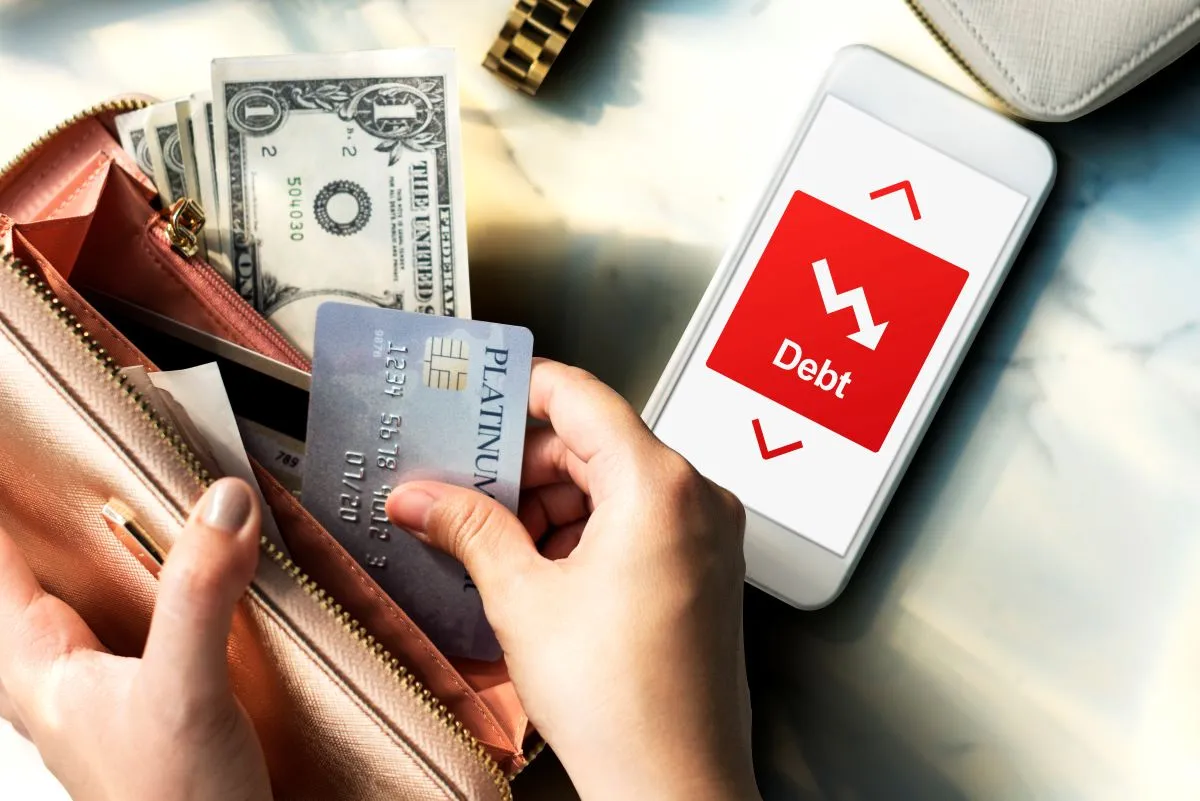
A significant number of us are carrying more credit-card debt, but there is a surprising twist: fewer credit card loans are becoming delinquent.
The latest Federal Reserve Bank of New York household debt report shows that US household debt reached about $18.8 trillion in the second quarter of 2026. Credit-card balances increased by $21 billion during the quarter, reaching a record $1.26 trillion. That means consumers are still putting substantial amounts of spending on their cards.
But at the same time, Federal Reserve banking data shows the credit-card delinquency rate fell to 2.85% in Q2 2026, down from 2.91% in Q1 and 3.04% a year earlier. The rate measures credit card loans that are at least 30 days past due. So, what is happening?
Consumers may be keeping up with payments
One possibility, as confirmed by our debt relief experts here at DebtReliefKarma, is that consumers are carrying larger balances but are still managing to make their required payments. For someone with a $5,000 credit-card balance, for example, making the minimum payment can keep the account current even if the balance barely moves. This can prevent a missed payment from turning into a delinquency, but it doesn't necessarily mean the debt is becoming easier to manage.
High interest rates can make this especially challenging. A consumer may avoid falling behind while still spending months or even years paying down the same balance.
Some borrowers may be moving debt around
Balance transfers and personal loans can also change how debt appears on individual credit accounts. A consumer with several high-interest credit cards might transfer a balance to another card with a promotional rate or take out a personal loan to pay off credit-card balances. That can reduce the balance on one or more credit cards without necessarily eliminating the underlying debt.
Debt consolidation can work in a similar way. Instead of juggling several credit-card payments, a borrower may combine debts into one loan with a different payment structure. The key is that moving debt is not the same as getting rid of it. If someone continues adding new purchases to their cards after consolidating, they could eventually end up with both the new loan and new credit-card balances.
Minimum payments can hide a bigger problem
For many households, making the minimum payment may feel like a victory - and it can help prevent late-payment penalties and damage to their credit history. But minimum payments can also keep debt around for a long time.
When a large portion of a payment goes toward interest instead of the principal, a borrower may see little progress from month to month. That's why a credit card can remain technically current while still putting significant pressure on a household budget.
What this means for people with credit card debt
The latest numbers don't necessarily mean consumers are suddenly in better financial shape. They show something more complicated: credit card balances are rising, while the measured delinquency rate is moving lower.
For households already carrying balances, the important question isn't simply whether a payment is technically on time. It's whether the debt is becoming more manageable over time. If credit-card payments are taking up too much of your monthly income, it may be worth reviewing your options. Depending on your situation, strategies such as budgeting, balance transfers, personal loans, debt consolidation or other debt relief options may help.
Debt relief programs may also help some consumers lower their monthly payments and reduce the amount of debt they owe, depending on their circumstances.
What’s the bottom line?
The latest data gives consumers something more nuanced to consider. Credit card debt is still growing, but fewer credit card loans are becoming delinquent. That doesn't mean the problem has disappeared.
If you're making minimum payments but your balances continue to grow, don't wait until you start missing payments to look at your options. Understanding your interest rates, monthly payments and total balances can be the first step toward creating a realistic plan to get your debt under control. Consult our debt relief professionals today to learn more of your options for reclaiming your life back.