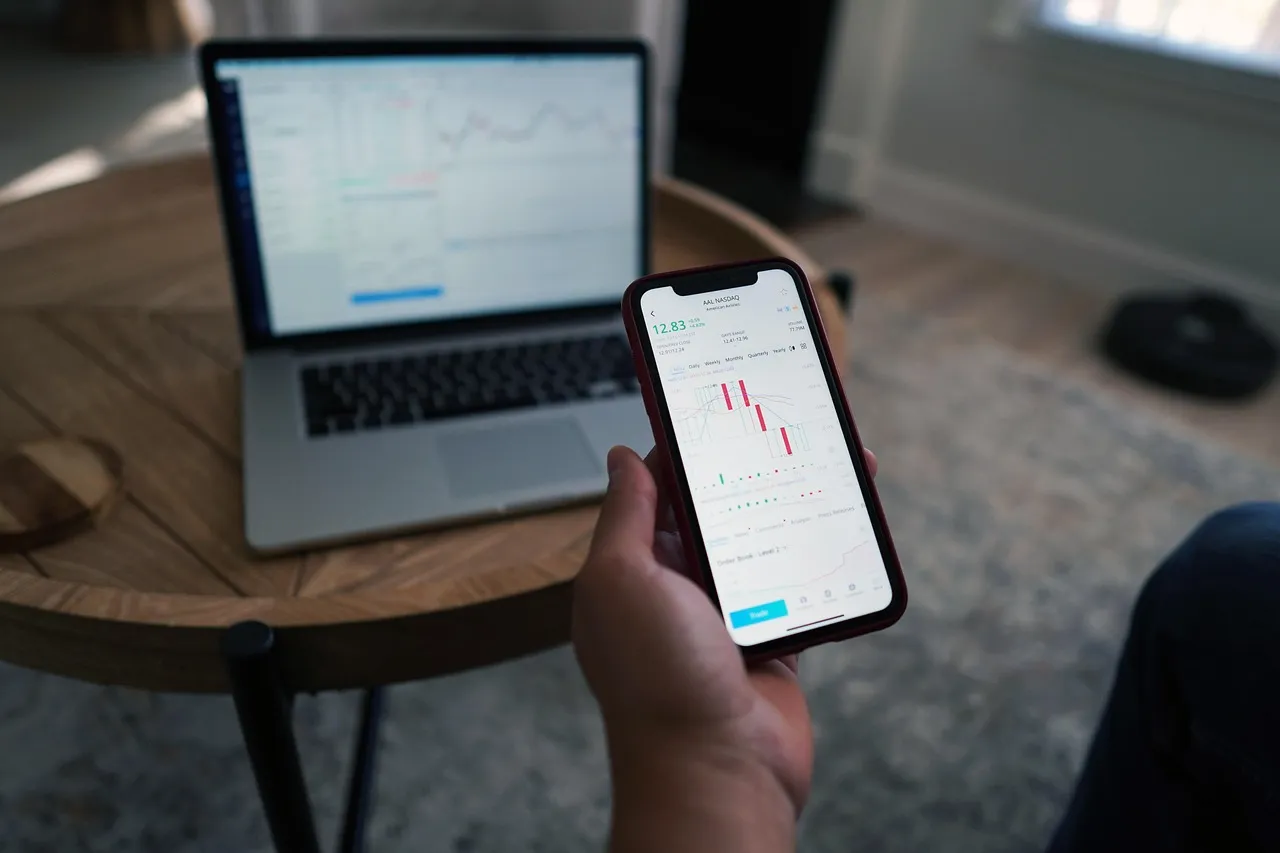
Managing debt used to be a very manual process. You simply checked your balance, tried to remember due dates, and hoped you had enough money left at the end of the month to make payments. In 2026, that approach is quickly becoming outdated.
Today’s financial apps are moving beyond basic tracking and into active debt management using artificial intelligence. This shift is often called AI-powered “debt nudging” - a system where your banking or finance app gently guides you toward better financial decisions in real time.
Here’s what it means, how it works, and how you can use it to reduce debt faster with less stress.
What is AI-powered debt nudging?
As our debt relief professionals can attest, AI-powered debt nudging uses conversational AI and predictive analytics to monitor your financial behavior and suggest small, timely actions that help you avoid fees and pay down debt.
Instead of reacting after something goes wrong - like missing a payment or carrying a high balance - your app steps in before the problem happens.
Think of it as a financial assistant that watches your spending patterns and says:
“You’re about to incur a late fee.”
“You have extra cash sitting idle.”
“This is a good moment to make a small payment.”
These nudges are designed to be helpful, not overwhelming.
The 2026 trend: hyper-personalized money management
The biggest shift in 2026 is hyper-personalization. AI no longer offers generic advice. It learns your habits, income timing, and spending patterns.
For example, modern apps can:
Predict when you might miss a payment based on past behavior
Detect “spending leaks,” like subscriptions or impulse purchases
Suggest moving unused cash toward your highest-interest debt
Warn you days before a late fee is triggered
This level of personalization makes debt management feel proactive instead of reactive.
Why debt nudging works so well
Traditional budgeting often fails because it relies on willpower and memory. AI nudging works because it focuses on timing and simplicity.
Small actions at the right moment - like paying $10 today instead of $300 later - can make a big difference over time. By breaking debt repayment into tiny, manageable steps, AI tools reduce decision fatigue and make progress feel achievable.
How to use AI-powered debt nudging: a simple how-to guide
1. Enable smart alerts in your banking app
Most modern banking and finance apps already include AI-driven alerts - you just need to turn them on. Look for features like:
Fee Alerts (late payments, overdrafts)
Predictive Spending Alerts
Low Balance or Bill Due Notifications
These alerts help you act early, when the solution is still simple.
2. Use automated “micro-payments”
One of the most effective tools in debt nudging is automated micro-payments. These tools:
Round up everyday purchases to the nearest dollar
Send the spare change directly to your credit card or loan balance
Make payments throughout the month instead of once at billing time
For example, a $3.60 coffee becomes a $4 charge, with $0.40 going straight to your debt. It’s painless, automatic, and surprisingly powerful over time.
3. Let AI suggest where extra cash should go
AI can identify moments when money is just sitting in your checking account and suggest applying it to high-interest debt instead. This helps prevent the common mistake of holding idle cash while paying high interest elsewhere.
AI-powered debt nudging doesn’t replace discipline - it supports it. By combining real-time data, personalization, and automation, these tools make it easier to stay on track and reduce debt without constant effort.
In 2026, managing debt isn’t just about knowing what to do - it’s about having the right system in place to help you do it consistently. Talk to one of our debt specialists today.
Frequently Asked Questions
Is AI debt nudging safe to use?
Yes. Reputable banking and financial apps use strong encryption and security measures. Always choose trusted institutions and review permissions carefully.
Will AI automatically move my money without permission?
No. Most apps require you to opt in and set limits. You remain in full control, and suggestions usually need approval.
Can small micro-payments really make a difference?
Absolutely. Frequent small payments reduce interest over time and build momentum, often leading to faster overall debt payoff.